In our lives, many environmental protection projects are continuously developing. In the beginning, environmental protection projects mainly referred to landfill projects, but now they have expanded to fields such as mining, petrochemical industry, seawater desalination, and others.
In these environmental protection projects, the collection, transportation, and filtration of harmful substances such as wastewater, waste, and exhaust gas are often involved. During this process, plastic piping systems have gradually become the preferred material for these environmental protection projects due to their advantages such as corrosion resistance, flexibility, and easy installation and maintenance.
Below, I will explain in detail from two aspects: the introduction of environmental protection projects and the application of plastic piping systems.
What Types of Environmental Protection Projects Are There?
Environmental protection projects are projects designed to manage and improve the environment in order to meet environmental protection requirements. Some projects are specifically developed for environmental protection purposes, while others are sub-projects established within larger projects to meet environmental protection standards.
Currently, the main types of environmental protection projects include water treatment projects, rainwater collection projects, reclaimed water and industrial wastewater recycling projects, waste and garbage treatment projects, mining anti-seepage projects, coal chemical projects, petrochemical projects, and others.
There are also many other projects that use plastic piping systems. I will not list them one by one here. In general, we should understand that plastic piping systems are widely used in many processes of environmental protection projects.
Application of Plastic Piping Systems
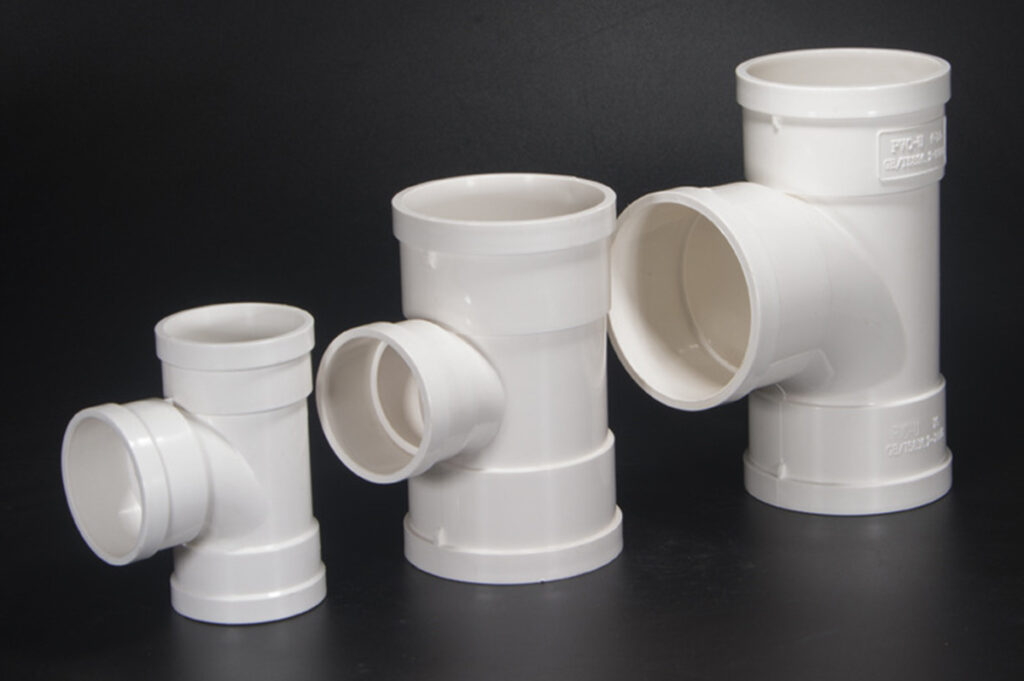
In environmental protection projects, a large number of plastic pipes are used because they are lightweight, corrosion-resistant, non-toxic, and have a long service life. Among them, HDPE pipes, PVC pipes, and PPR pipes are the main types used.
Water Treatment Projects
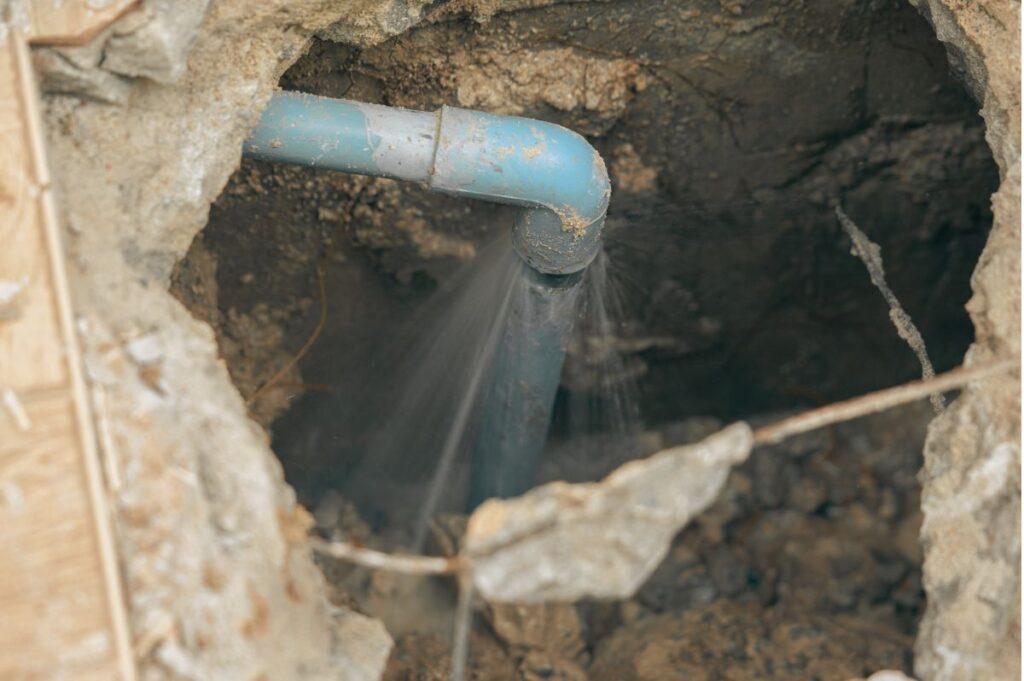
Water treatment projects include wastewater treatment, drinking water treatment, river and lake ecological restoration, and others. In these projects, HDPE pipes are commonly used because they are corrosion-resistant, leak-resistant, and available in large diameters, making them suitable for wastewater collection and transportation. Especially due to their corrosion resistance, they can effectively resist acid and alkali corrosion when transporting wastewater, preventing secondary pollution.
Water-saving Irrigation Projects
In agricultural water-saving irrigation systems, a large number of pipes made of materials such as PVC, PE, and HDPE are used. They replace traditional channel irrigation, greatly reducing water loss during transportation and achieving water-saving irrigation.
Rainwater Collection Projects
In rainwater collection systems, plastic pipes such as HDPE pipes and PVC pipes are used to achieve rapid rainwater collection and purification, improve rainwater utilization efficiency, and prevent urban flooding.
Mining Projects
Especially in gold and copper mining, highly toxic cyanide substances may be produced during the mining and operation processes. Traditional cement pipes and steel pipes cannot prevent environmental damage caused by harmful substances for a long time and completely. Therefore, HDPE pipes have become a more ideal choice.
Petrochemical Projects
In petrochemical projects, plastic pipes are also used for anti-leakage protection and transportation of chemical pollutants in order to protect the environment.
Waste Treatment Projects
Although the main materials handled in waste and garbage treatment projects are generally solid waste and waste materials, toxic landfill leachate is often generated during the treatment process, which can cause significant harm to the environment. Therefore, pipeline systems capable of transporting waste liquids and exhaust gases are required.
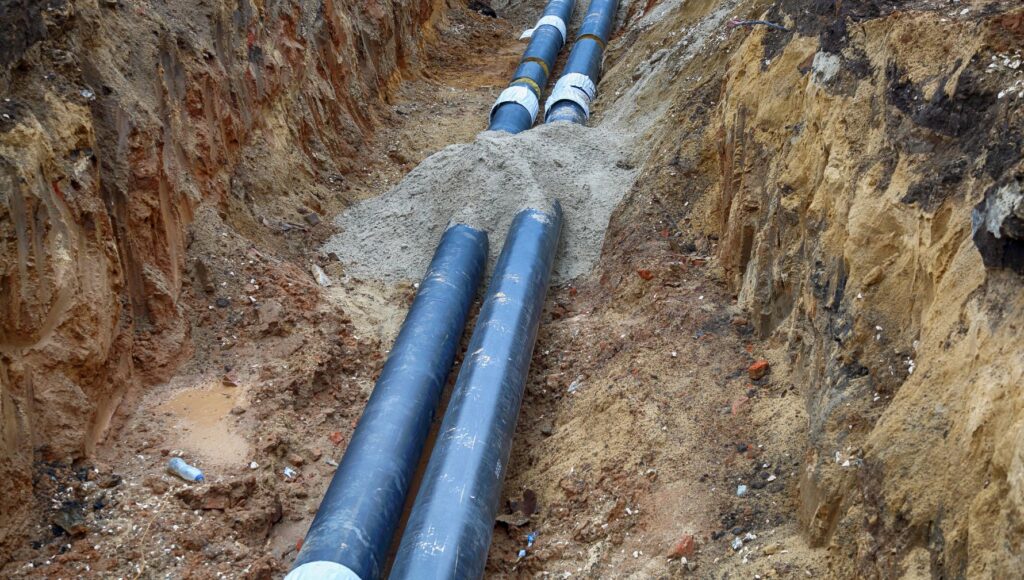
For example, in landfills, plastic pipes made of HDPE and PVC are required for processes such as landfill leachate collection, drainage, transportation, and gas extraction wells.
Summary
Through this article, we have learned about the applications of plastic piping systems in environmental protection projects. We hope it is helpful to you.
In addition, we would like to mention that we are a manufacturer and supplier of plastic pipes, pipe fittings, and valves located in China. If you have any questions about piping systems or are interested in our products, please feel free to contact us at any time.